
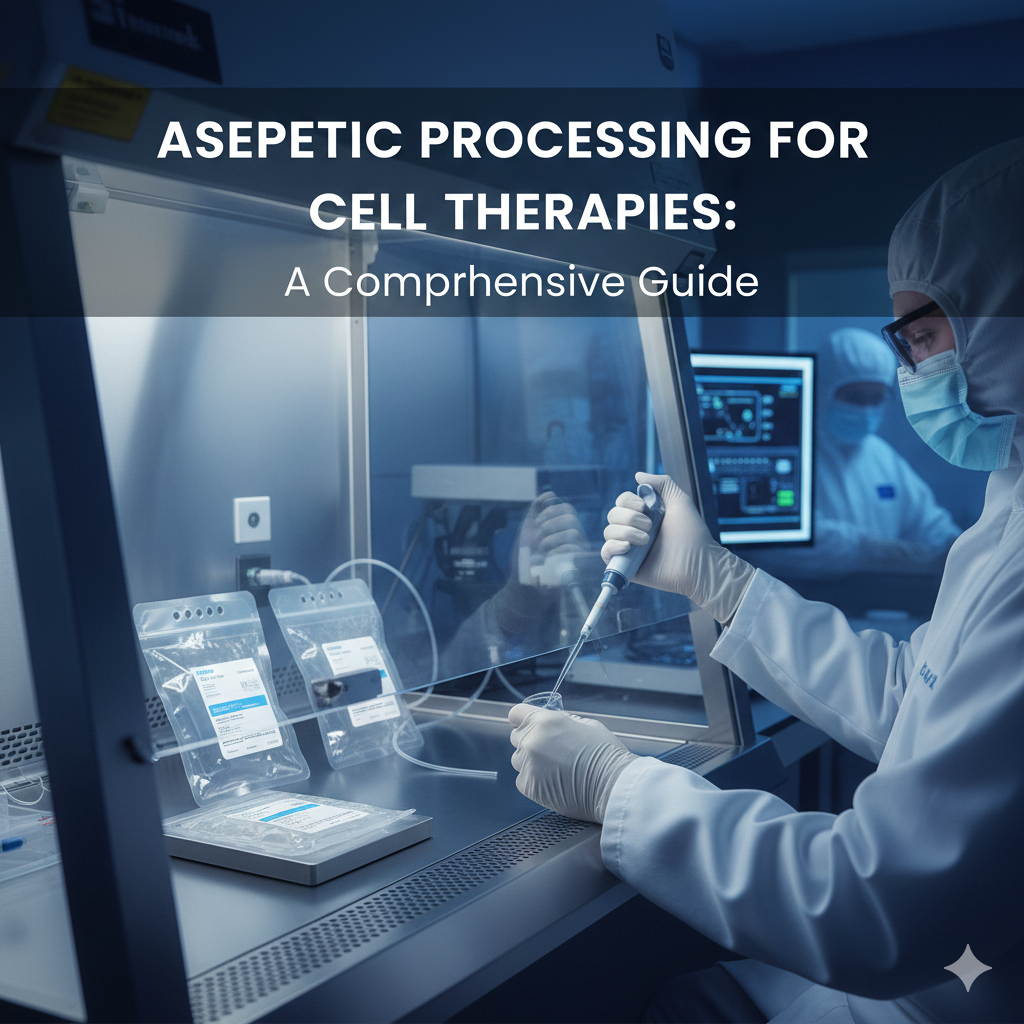
In the pharmaceutical and medical device industries, sterility testing is not a “one size fits all” checkbox. It is a rigorous scientific validation that a product is free from viable contaminating microorganisms. Choosing the wrong method doesn’t just risk regulatory rejection from the FDA or EMA—it risks patient lives.
This guide moves beyond generic definitions to provide a technical comparison of sterility testing methodologies, grounded in real-world application scenarios and regulatory expectations.
1. The Core Methodologies: Membrane Filtration vs. Direct Inoculation
According to USP <71>, there are two primary traditional approaches. The choice between them is dictated by the physical and chemical properties of your product.
Membrane Filtration (The Preferred Method)
The product is passed through a 0.45-micron filter, which traps microorganisms. The filter is then rinsed and incubated in growth media.
- Best for: Large volume parenterals, oils, ointments, and soluble powders.
- The Advantage: It allows for the removal of inhibitory substances (like antibiotics or preservatives) that might otherwise hide contamination by preventing microbial growth during the test.
Direct Inoculation
The product is introduced directly into the growth media at a specific ratio (usually the volume of the product is no more than 10% of the media volume).
- Best for: Small volume items, surgical sutures, and medical devices where filtration is physically impossible.
- The Advantage: Simplicity. However, it is prone to “false negatives” if the product itself has antimicrobial properties.
2. Rapid Microbial Methods (RMM): Breaking the 14-Day Barrier
Traditional culture-based sterility tests require a 14-day incubation period. For short-shelf-life products like radiopharmaceuticals or cell therapies, 14 days is an impossible window.
ATP Bioluminescence
Detects the presence of Adenosine Triphosphate, the universal energy molecule in living cells.
- The Scenario: A compounding pharmacy needs to release a batch of specialized IV bags.
- The Result: Results in 2–3 days rather than 14.
- Regulatory Note: You must prove that the RMM is “non-inferior” to the USP <71> method through rigorous validation.
Growth-Based Automated Systems (CO2 Detection)
Systems like BacT/ALERT monitor the production of CO2 as microbes metabolize nutrients.
- The Scenario: A cell therapy manufacturer producing CAR-T cells where the patient needs the infusion within 48–72 hours.
- The Result: Continuous monitoring provides an alert the moment growth is detected, often within 24 hours.
3. Real-World Scenarios: Which Test Wins?
Scenario A: The Antibiotic Manufacturer
Product: A potent injectable cephalosporin.
- The Challenge: The product naturally kills bacteria, which would lead to a false negative in a direct inoculation test.
- The Choice: Membrane Filtration. By filtering the antibiotic and then washing the membrane with a neutralizing fluid (like Fluid D), you “wash away” the drug’s inhibitory effect, allowing any contaminating “superbugs” to grow and be detected.
Scenario B: The Orthopedic Implant
Product: A titanium hip replacement joint.
- The Challenge: You cannot pass a titanium joint through a 0.45-micron filter.
- The Choice: Direct Inoculation. The device (or a representative sample) is submerged directly into Tryptic Soy Broth (TSB) and Fluid Thioglycollate Medium (FTM).
Scenario C: The Short-Lived PET Tracer
Product: A radiopharmaceutical with a half-life of 110 minutes.
- The Challenge: The product will be decayed and useless long before a 14-day test is finished.
- The Choice: Rapid Sterility Testing (RMM) + Parametric Release. Regulators often allow the release of these products based on “In-Process Controls” and validated rapid tests, provided a traditional test is run in parallel as a retrospective check.
4. Regulatory Expectations: What Auditors Look For
When an auditor reviews your sterility testing protocol at MicTest.wiki or your facility, they aren’t just looking for “Negative” results. They look at:
- Bacteriostasis and Fungistasis (B/F) Testing: You must prove that your product does not inhibit the growth of the very microbes you are looking for. If you haven’t performed B/F validation, your sterility test is invalid in the eyes of the FDA.
- Environmental Monitoring (EM): A sterility test performed in a “dirty” lab is useless. You must show the EM data for the cleanroom or isolator where the test was conducted.
- Method Suitability: You must document why you chose filtration over inoculation. “It was easier” is not a valid scientific justification.
5. Summary Table: At-a-Glance Comparison
| Feature | Membrane Filtration | Direct Inoculation | Rapid Methods (RMM) |
| Detection Time | 14 Days | 14 Days | 3–7 Days |
| Sample Type | Liquids/Soluble solids | Solids/Non-filtrable | Time-sensitive products |
| Inhibitor Removal | Excellent | Poor | Variable |
| Cost | Moderate | Low | High (Initial Setup) |
| Regulatory Status | Compendial (Standard) | Compendial (Standard) | Requires Validation |
Conclusion
Choosing the right mic test for sterility is a balance of product chemistry, patient timeline, and regulatory safety. For most liquids, Membrane Filtration remains the gold standard due to its ability to neutralize antimicrobial interference. However, as personalized medicine and cell therapies grow, the industry is rapidly shifting toward validated Rapid Microbial Methods to ensure patient safety in real-time.