In clinical diagnostics, food safety, and pharmaceutical manufacturing, determining whether a microorganism is “alive” or “dead” is more than a technicality—it is a matter of public safety. Microbial viability tests are the gold standard for assessing the efficacy of disinfectants, the potency of antibiotics, and the cleanliness of production environments. This guide explores the sophisticated world of viability testing, comparing traditional methods with modern rapid technologies.
What is Microbial Viability?
In microbiology, “viability” is traditionally defined as the ability of a microorganism to reproduce under a specific set of conditions. However, as our understanding of cellular biology has advanced, the definition has expanded. A microbe may be metabolically active (consuming nutrients and producing energy) but unable to divide, a state known as Viable But Non-Culturable (VBNC).
Choosing the right mic test for microbial viability depends on whether you need to count “colonies” or detect “life signs” at a cellular level.
Traditional Culture-Based Methods
1. Plate Counting (The Gold Standard)
The most common microbial viability test involves spreading a sample onto an agar plate and waiting for visible colonies to grow.
- Pros: Highly reliable for identifying “culturable” bacteria; low cost; provides physical isolates for further study.
- Cons: Extremely slow (24–72 hours); fails to detect VBNC organisms; labor-intensive.
2. Most Probable Number (MPN)
A statistical method used primarily for water and food testing. It involves diluting samples in liquid broth to find the point where no growth occurs.
- Pros: Good for samples with low concentrations of microbes.
- Cons: High margin of error; requires many test tubes and significant incubator space.
Rapid Microbial Methods (RMM)
As industries move toward “Real-Time” results, rapid microbial tests have become essential. These methods look for biomarkers of life rather than waiting for reproduction.
1. Adenosine Triphosphate (ATP) Bioluminescence
ATP is the energy currency of all living cells. By using the enzyme luciferase (the same one found in fireflies), we can measure the light produced when it reacts with ATP in a sample.
- Pros: Results in minutes; excellent for surface hygiene monitoring.
- Cons: Cannot distinguish between different types of bacteria; non-microbial ATP (from food residue) can cause false positives.
2. Flow Cytometry
This high-tech mic test involves passing cells through a laser beam. By using fluorescent dyes that only enter damaged cell membranes, scientists can count live vs. dead cells in real-time.
- Pros: Extremely accurate; detects VBNC cells; handles thousands of cells per second.
- Cons: High equipment cost; requires expert technicians to operate.
3. Vital Dye Staining (The Live/Dead Assay)
Using fluorescence microscopy, researchers apply two dyes: one green (which enters all cells) and one red (which only enters dead cells with broken membranes).
- Pros: Visual confirmation of viability; relatively fast.
- Cons: Subjective interpretation; some dyes can be toxic to the microbes being tested.
Comparison Table: Choosing Your Microbial Test
| Method | Time to Result | Detects VBNC? | Cost per Test | Best Use Case |
| Plate Count | 2-5 Days | No | Low | Regulatory Compliance |
| ATP Testing | < 5 Minutes | Yes | Moderate | Kitchen/Hospital Hygiene |
| Flow Cytometry | < 1 Hour | Yes | High | Pharma Manufacturing |
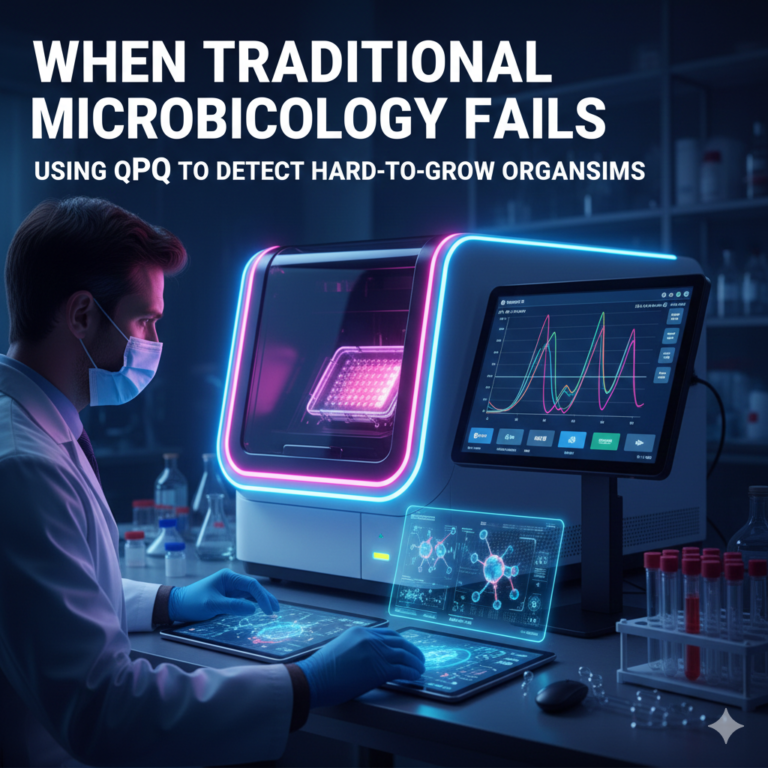
| PCR (qPCR) | 4-6 Hours | Varies | Moderate | Pathogen Identification |
Challenges in Microbial Viability Testing
The primary challenge in any microbial test is the “VBNC” state. In the food industry, a sample might appear “clean” on a traditional agar plate, but if the bacteria are merely “sleeping” (VBNC), they could revive later and cause illness.
Furthermore, the “Cons” of molecular methods like PCR (Polymerase Chain Reaction) include the fact that they often detect DNA from dead cells, leading to “false positives” where a product appears contaminated even though the microbes are no longer a threat.
The Future of Microbial Tests: Automation and AI
The next frontier for mictest.wiki topics in the lab is the integration of Artificial Intelligence. AI-driven imaging can now detect colony growth hours before the human eye can see it, and machine learning algorithms are getting better at distinguishing between cellular debris and actual viable pathogens.
Conclusion
Microbial viability testing is a balance between speed, cost, and accuracy. While traditional plating remains the legal requirement for many industries, rapid methods like ATP bioluminescence and Flow Cytometry are becoming the backbone of modern quality control. Understanding the pros and cons of each method is the first step in ensuring a sterile, safe environment.